Podcast
A living archive of ideas, conversations, and intelligence exploring how humanity adapts, evolves, and survives in the era of artificial intelligence.
Watch all episode on Tomorrow, Today
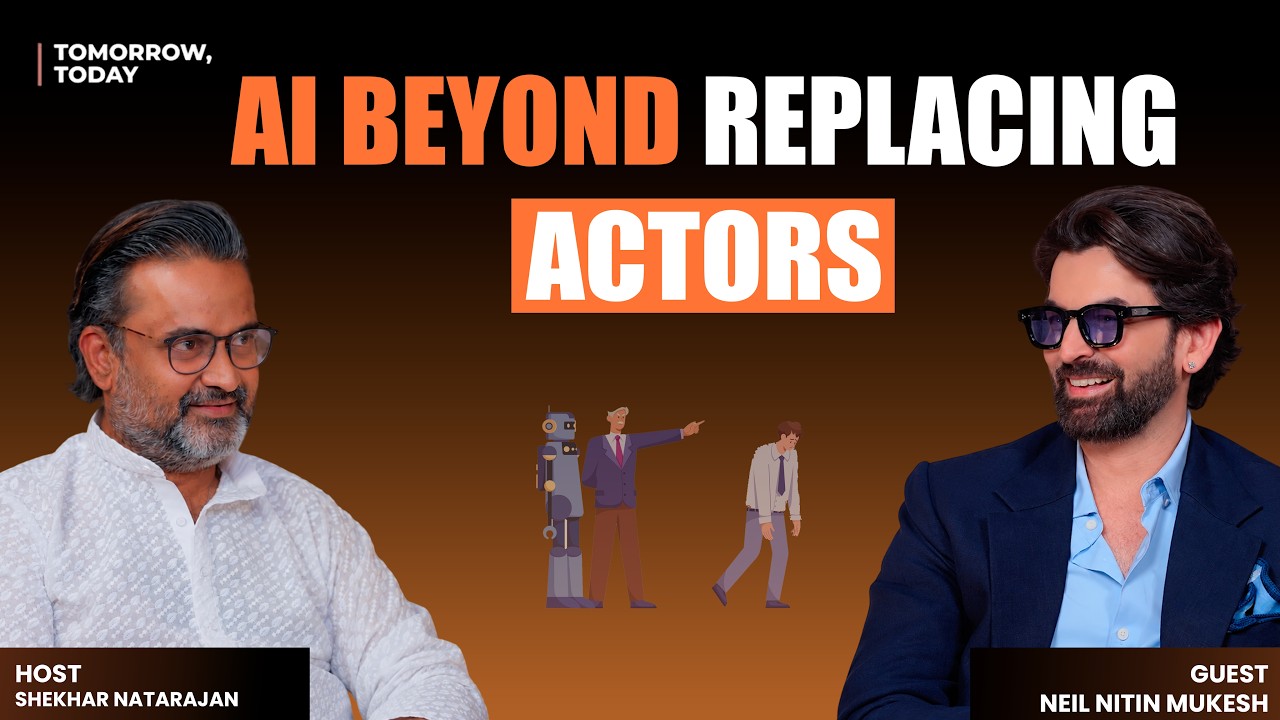 Neil Nitin Mukesh on Bollywood, Family Sacrifice & Nepotism
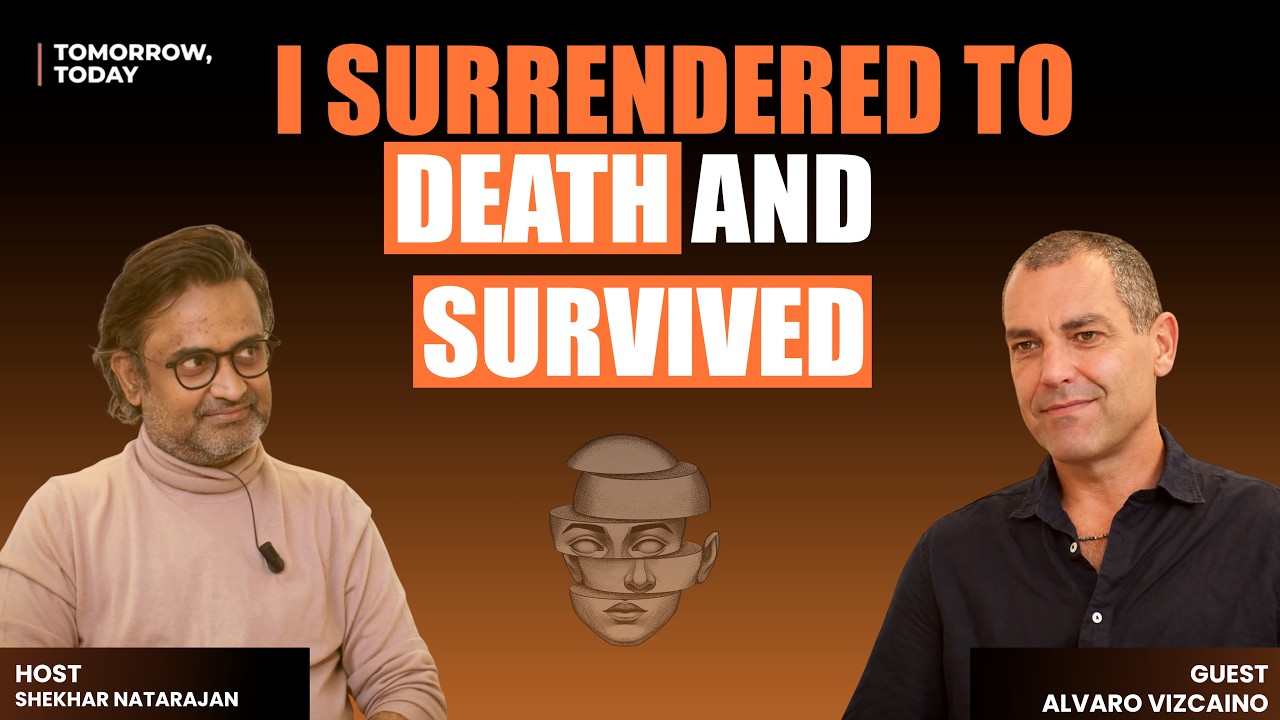 Alvaro Vizcaino: What Survival Teaches Us About Fear and Life
 Chetan Bhagat Talks AI, Books & The Future of Young People
 Adah Sharma Untold Side: Rejection, Fame, The Kerala Story & AI
 Bold & Modern Is Life Really Random? The Truth About Karma, Reincarnation & Finding Peace
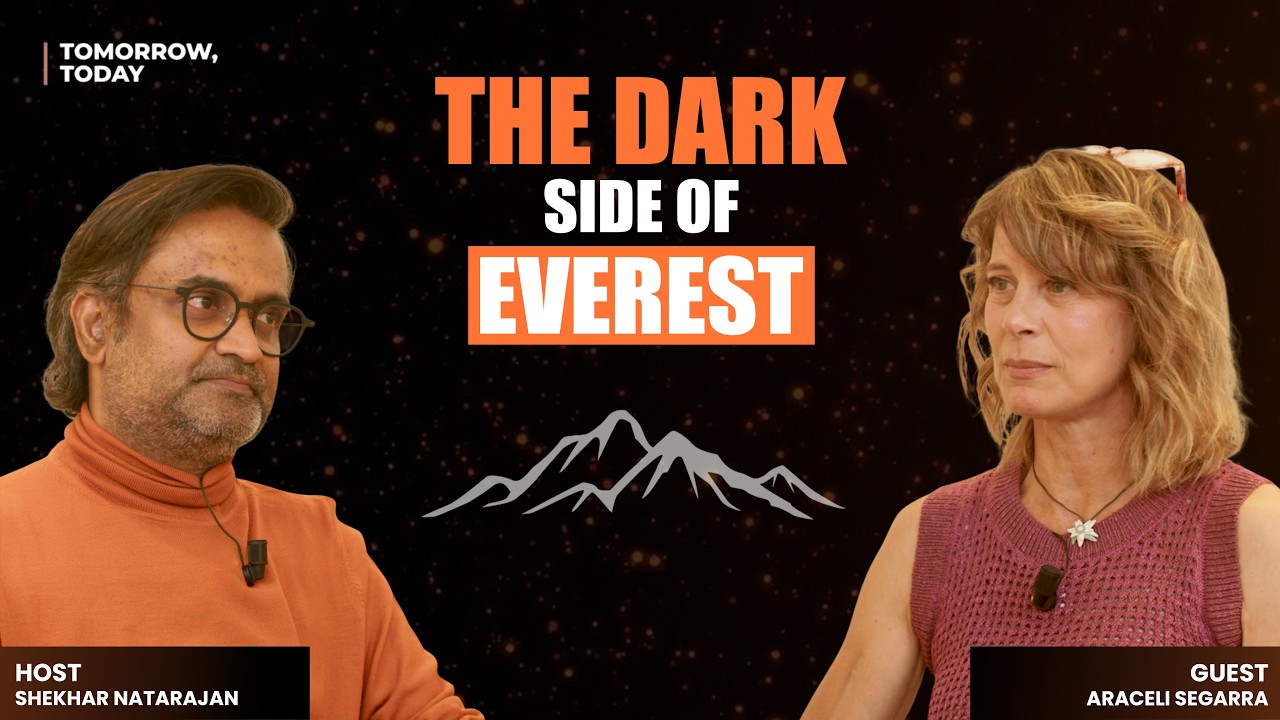 The Fear of Climbing Everest: Survival, Courage & the Limits of the Human Mind
 The Future of Branding: Why AI Is Changing How Brands Connect
 From Getting Fired to Mastering Projects: The Psychology of Success
 From Childhood Trauma to Global Leadership: The Power of Resilience
 The Fight to End Child Labour: Courage, Rescue & Human Rights
 The Hidden Reality of Elite Warfare, Trauma & Post Traumatic Growth
 Can Struggle Create a Bollywood Star? The Untold Journey of Rajpal Yadav
 The Dark Side of AI: Cybersecurity Threats You Need to Know | Silvia Leal
 The Hidden Science Behind Genetics, Immunity & the Fight Against Cancer
 Is Slow Living the Future? The Truth About Boredom, Connection & Human Well-Being
 The Hidden Psychology Behind Business, Leadership & Success
 Walking the Wire of Life: Risk, Fear, Freedom & Zen
 How AI Will Transform Education Forever
 The Hidden Psychology Behind Relationships, Trauma & Self-Awareness
 Marketing Is a Lie? The Truth About Branding, AI & Consumer Psychology
 Will AI Replace Governments?
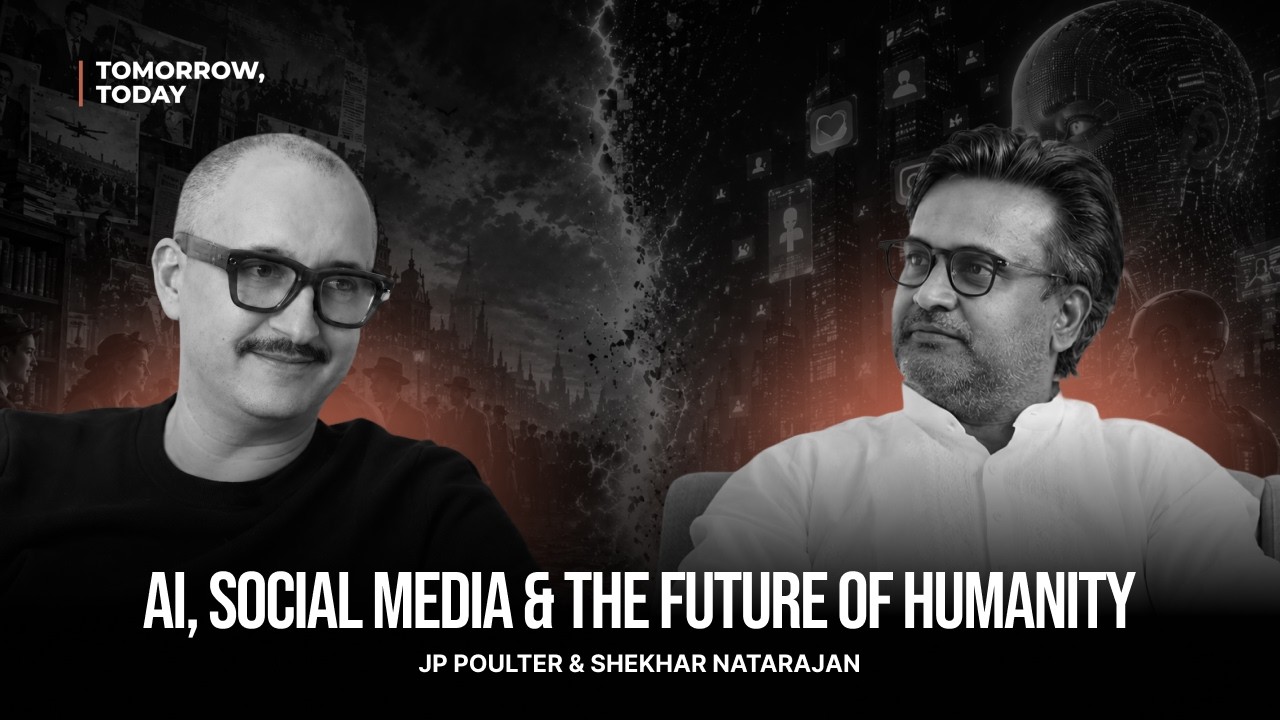 AI, Social Media & The Future of Humanity
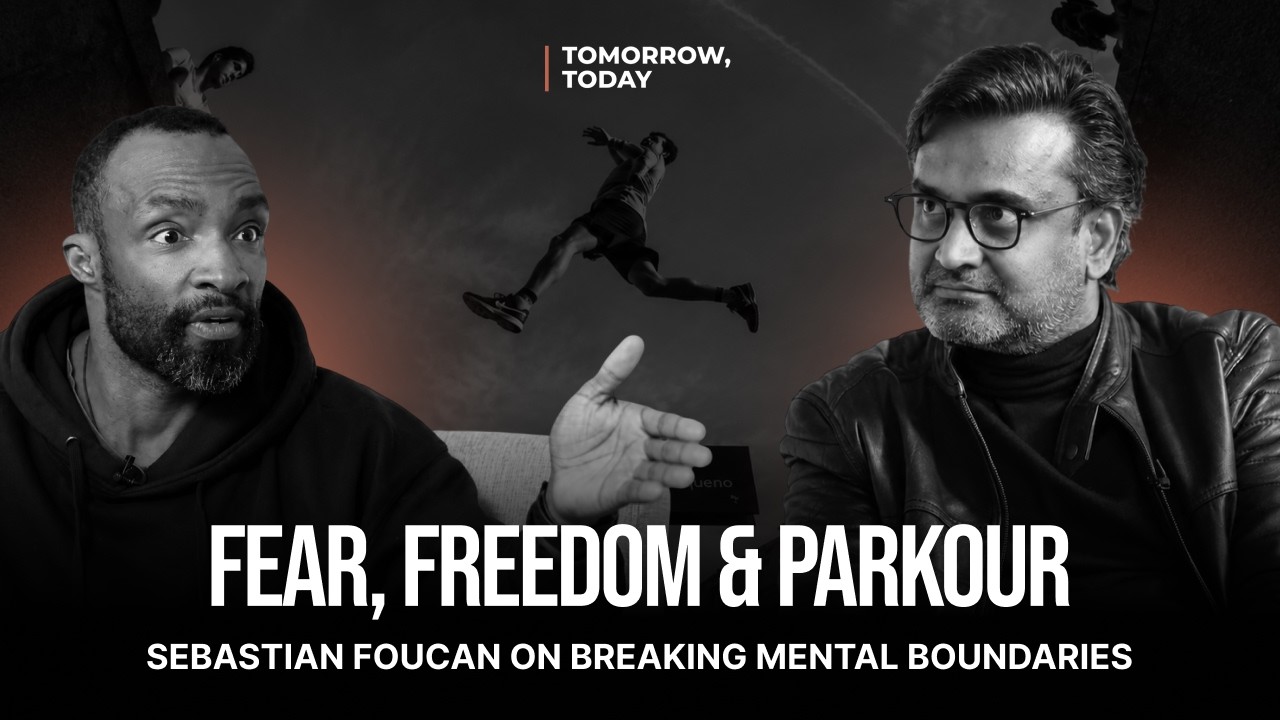 Fear, Freedom & Human Potential | Parkour Philosophy, Creativity & Breaking Mental Limits
 Iran Beyond Headlines: Women's Freedom, Human Rights, AI & The Future of Humanity
 Inside Iran: Shirin Ebadi Explains Politics, War and Women's Rights
 Why Human Emotion Will Always Beat AI
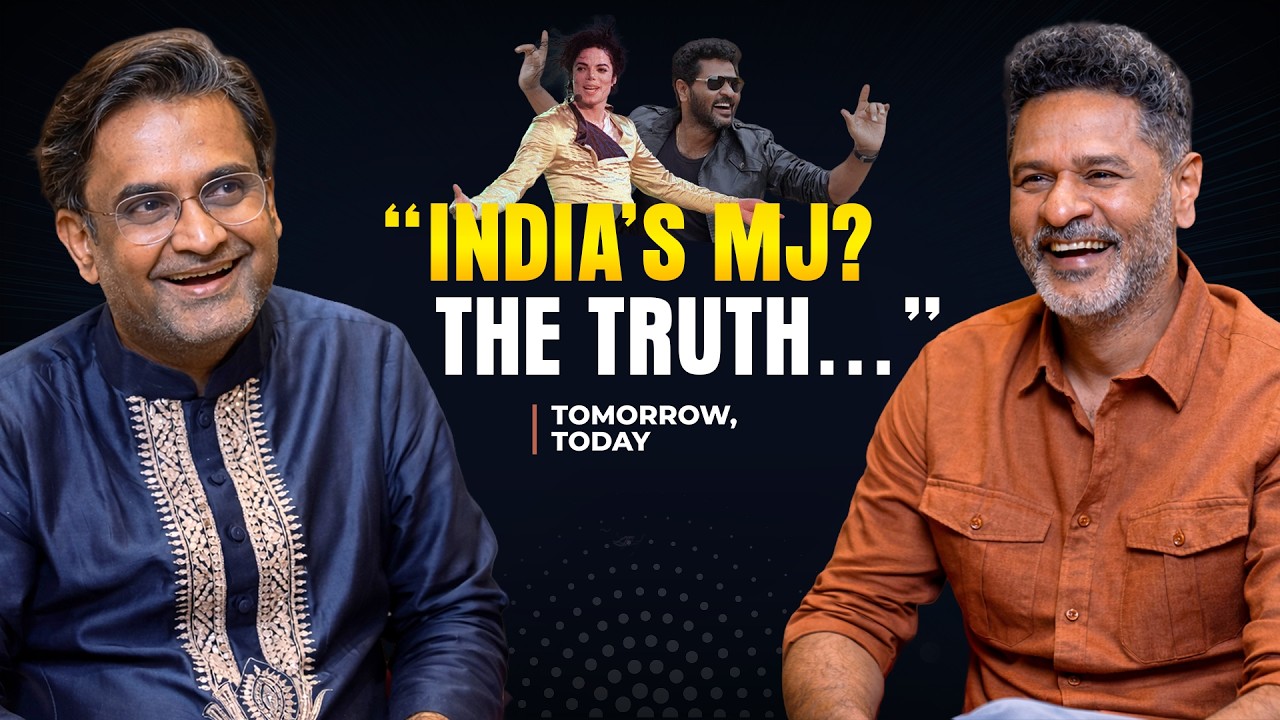 The Discipline Behind India's Biggest Dance Legend
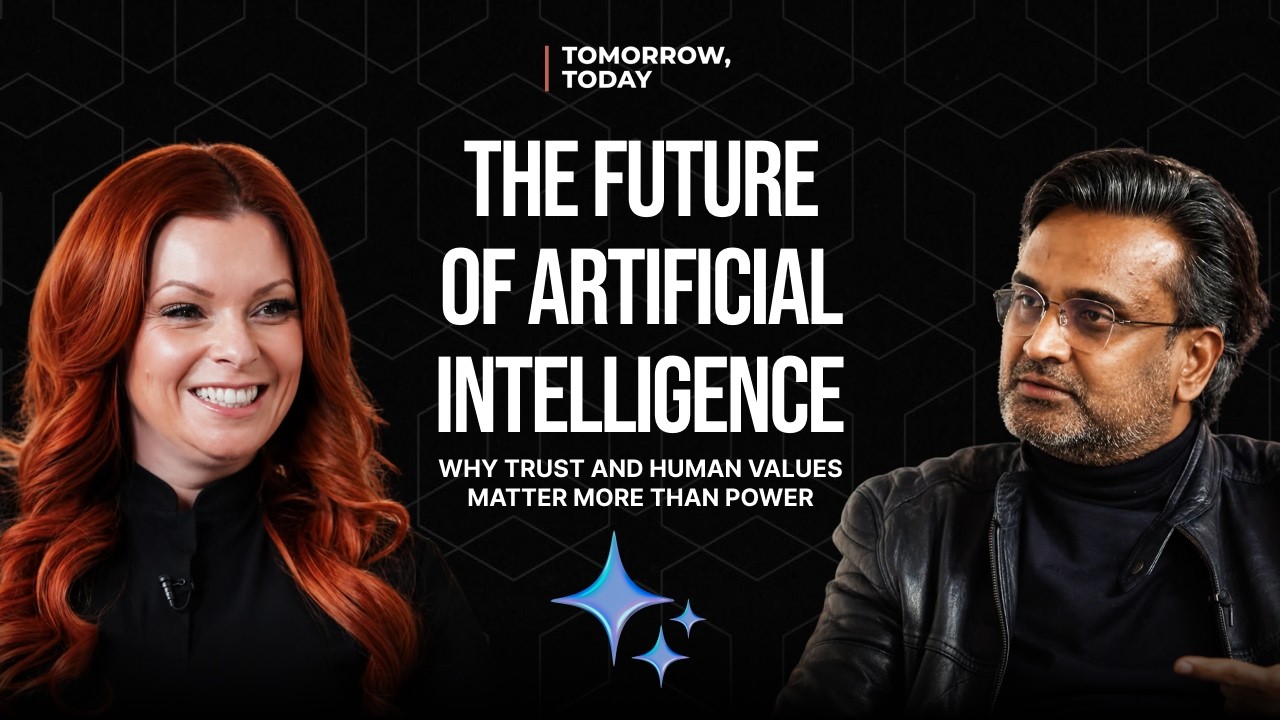 The Future of AI — Can Humans Really Trust AI
 Cosmic Intelligence and the Power of Flow
 Success, Spirituality & Staying Real
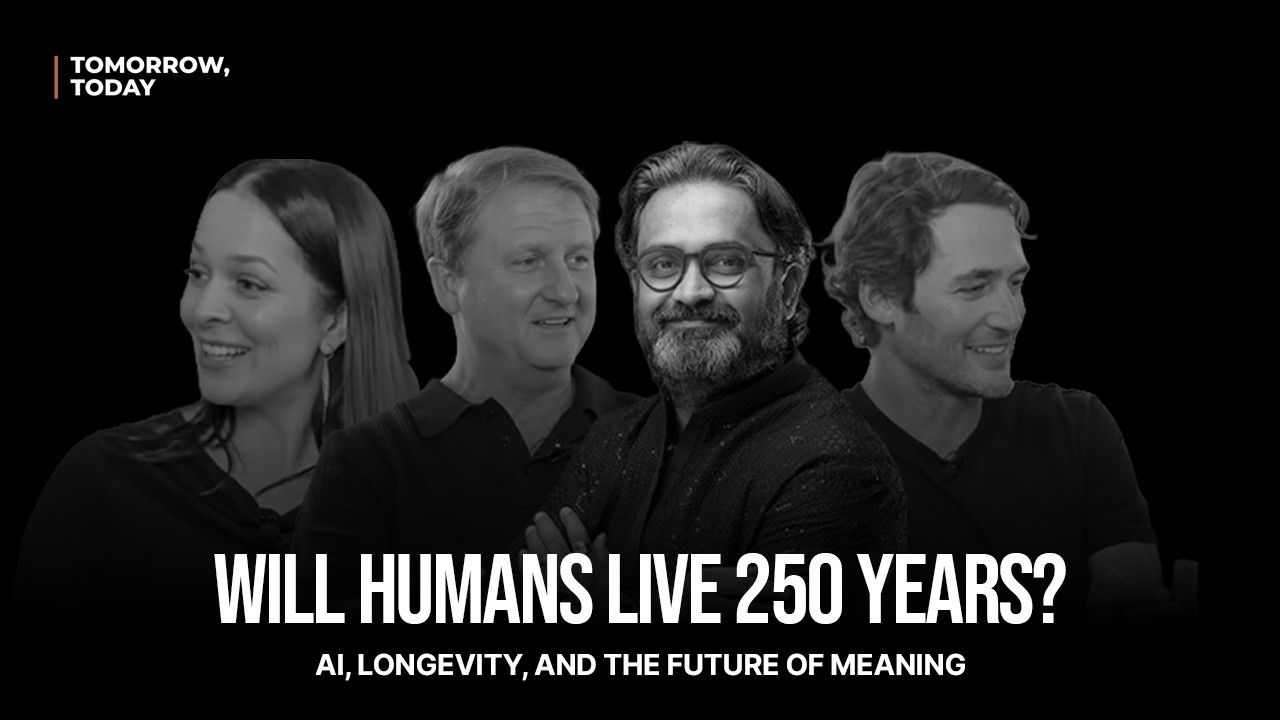 Will Humans Live 250 Years? AI, Longevity, and the Future of Meaning
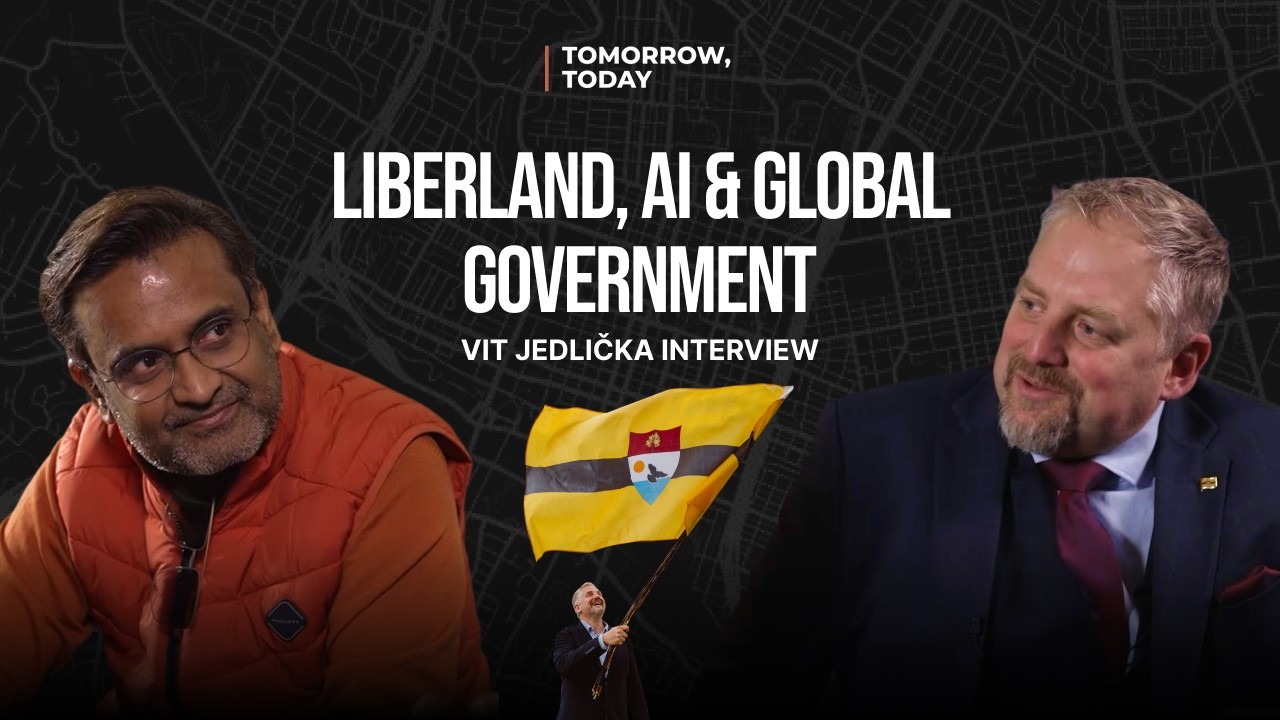 Liberland, AI & Global Government
 Nations and the Future of Humanity
 Humanity,Love and the Future of Technology
 Why AI Needs Ethics First
 AI Is Not the Problem, Intentions Are
 The Future of AI — Setting the Stage for Tomorrow, Today